David Liddle: How Can Positive Workplace Culture Drive Business Growth?

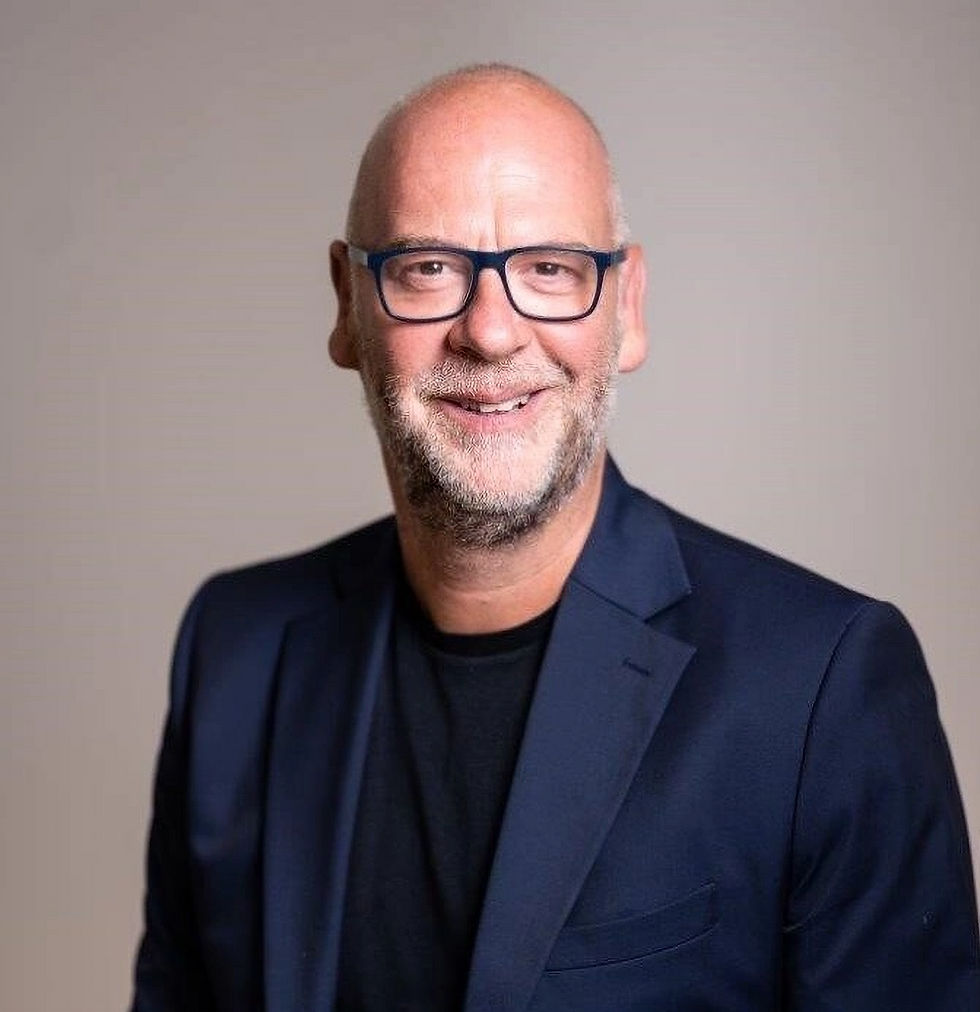
Every entrepreneur dreams of building a company that attracts exceptional talent, delights customers, and continues growing year after year. Yet somewhere between hiring the tenth employee and reaching the hundredth, something often changes. Communication slows. Departments become isolated. Employees feel unheard. Leaders spend more time putting out fires than inspiring innovation.
If that sounds familiar, you're not alone.
For David Liddle, one of the world's leading experts on workplace culture and conflict resolution, these challenges are rarely caused by poor strategy or weak financial planning. Instead, they often begin with something much less visible—the organization's culture.
Having spent more than 25 years helping businesses transform conflict into collaboration, David believes culture isn't a slogan displayed on the office wall. It's the daily experience employees have with their leaders, colleagues, and customers. During his conversation on the 21st Century Entrepreneurship podcast, he shared practical lessons every entrepreneur—from first-generation founders to experienced executives—can apply immediately to build a thriving organization.
As David explains:
"We build cultures that drive high performance in our organizations because ultimately if it's not about high performance, it's just about words on a wall."
For entrepreneurs navigating rapid growth, career changers launching their first business, or founders leading remote global teams, that insight couldn't be more timely.
Why Does Positive Workplace Culture Matter So Much?
Many leaders assume their biggest challenges revolve around finance, marketing, or business strategy. David has discovered something very different.
When he asks executives what keeps them awake at night, the answer is almost always the same:
"They don't say it's strategy. They don't say it's finance... They tell me it's about the behaviors of the people in their organization."
Those behaviors—whether collaborative or destructive—shape every aspect of organizational performance.
A positive workplace culture encourages people to:
communicate openly
solve problems constructively
innovate together
remain engaged
stay with the company longer
Conversely, toxic workplace behaviors quietly erode productivity, customer satisfaction, and profitability.
Think about your own business.
When was the last time you lost an excellent employee—not because of salary, but because they no longer felt valued? Reflect on that question before reading further.
Culture Is Built One Conversation at a Time
David's background in conflict resolution gives him a unique perspective.
Many organizations treat disagreements as problems to eliminate through rigid policies or formal disciplinary procedures. David argues the opposite.
Healthy disagreement, when handled with empathy and curiosity, actually strengthens workplace relationships.
He explains:
"The way that we communicate, the way that we disagree, the way that we resolve issues... that is about shaping a positive culture."
This shift in mindset is particularly valuable for entrepreneurs.
Imagine a founder who notices growing tension between their sales and marketing teams. Instead of assigning blame, they create structured conversations focused on listening, understanding different perspectives, and finding shared goals. What initially appeared to be conflict becomes an opportunity for innovation.
That's exactly how transformational workplace cultures emerge.
FAQ: What Questions Should Every Leader Ask?
Throughout the interview, David repeatedly returns to two remarkably simple questions.
Ironically, while businesses ask customers these questions every day, they rarely ask their own employees.
How do you feel?
What do you need?
These questions unlock valuable insights that spreadsheets and KPIs simply cannot reveal.
Whether you're leading five employees or five thousand, understanding people's experiences creates stronger employee engagement and improves organizational performance.
For first-generation entrepreneurs especially, these conversations help build trust across diverse teams with different experiences, communication styles, and expectations.
Why Employee Experience Should Matter as Much as Customer Experience
One of David's most compelling ideas challenges traditional management thinking.
Rather than viewing employees as resources to manage, he encourages leaders to see employees as consumers of leadership.
Employees consume:
leadership
workplace processes
company culture
communication
management systems
When leaders improve that experience, employees become more committed, creative, and invested in the organization's mission. This mirrors how successful businesses approach customer experience.
The best entrepreneurs obsess over understanding customers' needs. David encourages them to bring the same curiosity inside the organization. After all, employees who feel respected create better experiences for customers. That connection fuels sustainable business growth.
Can Compassion Really Improve Business Performance?
Some leaders worry that empathy makes organizations "soft." David strongly disagrees.
Drawing on examples from global organizations including PwC, Zurich Insurance, Coca-Cola, and WPP, he argues that qualities such as compassion, dialogue, inclusion, and kindness aren't merely ethical ideals—they're strategic advantages.
Innovation, creativity, and learning flourish when people feel psychologically safe enough to contribute ideas without fear of blame or embarrassment.
As artificial intelligence automates more routine tasks, these deeply human capabilities become increasingly valuable.
David believes the future belongs to organizations that intentionally cultivate environments where people can think creatively, collaborate effectively, and solve problems together—not despite their differences, but because of them.
How Four Simple Phrases Can Transform Leadership
One story from the interview perfectly captures David Liddle's philosophy.
He was coaching the CEO of a successful, fast-growing company. Despite strong financial performance, the organization faced increasing employee turnover, customer complaints, and declining engagement. As the business expanded, departments became isolated, communication weakened, and employees no longer felt connected to leadership. The CEO initially assumed the solution required restructuring or new processes.
Instead, David encouraged something much simpler: reconnect with people.
After listening to employees, the CEO realized they wanted to feel seen, heard, appreciated, and understood. Those insights became the foundation of a leadership approach built around four authentic statements:
I see you.
I hear you.
I appreciate you.
I understand you.
Rather than announcing another corporate initiative, the CEO spent time meeting employees, listening without becoming defensive, thanking people for their contributions, and genuinely seeking to understand their experiences.
The results were remarkable. Silos began to disappear, managers communicated more openly, and trust gradually returned across the organization.
David summarizes the lesson beautifully:
"The most powerful advice I can give to a leader is in an authentic way express to a colleague, to a manager and to an employee: I see you, I hear you, I appreciate you, I understand you. Now let's get to work."
It's a reminder that culture isn't built through annual engagement surveys—it grows through thousands of everyday interactions.
FAQ: Can AI Help Leaders Build Better Cultures?
Artificial intelligence often dominates headlines because of its potential to reduce costs or automate repetitive work. David sees a far more exciting opportunity.
Rather than replacing human interaction, AI should strengthen it.
He explained that he created Pocket Coach, an AI-powered coaching assistant designed for leaders preparing for difficult conversations. Whether it's late at night before an important meeting or immediately afterward when reflection is needed, the tool helps leaders practice conversations, receive coaching, and build confidence.
David's philosophy is refreshingly practical.
Instead of asking, "How can AI replace people?" he asks: "How can AI make people better leaders?"
He also developed AI tools focused on organizational culture, helping leaders evaluate their cultural maturity, identify challenges, and generate practical action plans. For entrepreneurs balancing countless responsibilities, AI can become a valuable thinking partner—not a substitute for empathy, but a support system that enables more thoughtful leadership.
What Can Entrepreneurs Do Today?
Culture transformation doesn't require a complete organizational overhaul. In fact, David suggests it begins with small, intentional actions repeated consistently over time.
Consider challenging yourself this week to:
Ask one employee, "How are you feeling?"
Follow up with "What do you need?"
Spend more time listening than talking during your next meeting.
Recognize someone's contribution publicly.
Reflect on whether your behaviors reinforce the culture you want to create.
These actions may appear simple, but they signal respect, curiosity, and trust—the very foundations of a high-performance culture.
If you're building your first startup, managing a family business, or leading an international team across multiple time zones, these habits scale remarkably well because they're rooted in universal human needs.
Leadership Begins with Intentional Culture
One of the interview's strongest messages is that culture never develops by accident.
Every conversation, decision, policy, and interaction either strengthens or weakens it.
David puts it this way:
"We build culture intentionally through every word that we utter. We are the culture architects."
That's an empowering perspective.
Entrepreneurs often believe culture becomes important only after hiring dozens—or hundreds—of employees. In reality, it begins with the founder's first conversation, first hire, and first difficult decision.
Whether you're launching a new venture, growing an established company, or rebuilding after periods of uncertainty, culture is one of the few competitive advantages competitors cannot easily copy.
When leaders intentionally create workplaces where people feel safe, valued, and inspired, innovation follows naturally.
Key Takeaways
Creating a positive workplace culture isn't about introducing trendy perks or writing inspiring values on the office wall. It's about consistently demonstrating leadership behaviors that encourage trust, collaboration, and meaningful dialogue.
David Liddle's decades of experience show that organizations perform at their best when leaders invest as much energy into people as they do into strategy.
Ask yourself:
What kind of culture are you creating today?
The answer is reflected in every conversation your team has tomorrow. Start with one meaningful discussion this week. Ask someone how they feel. Listen without interrupting. Thank them sincerely. Then watch how those small moments begin shaping a stronger organization.


Comments